Visible Minorities: Semiquincentennial vs. Bicentennial
The United States should be celebrating the best of itself on its landmark birthday, like it did fifty years ago. It’s not. But the party is actually elsewhere.


The United States should be celebrating the best of itself on its landmark birthday, like it did fifty years ago. It’s not. But the party is actually elsewhere.

The world is living under a rogue regime—or rather, a rogue individual—who is wielding unprecedented power.
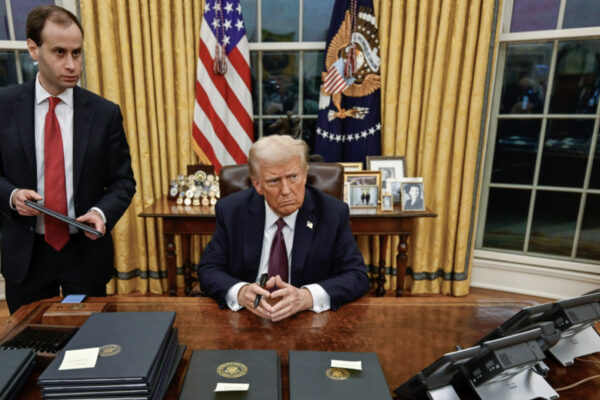
At the outset of his second term, US President Donald Trump shut down a database designed to provide law enforcement agencies with information on the past records of job candidates.

In a stunning reversal, Donald Trump won the popular vote in the November 2024 election, leading a Republican wave that took control of the presidency and both chambers of Congress.
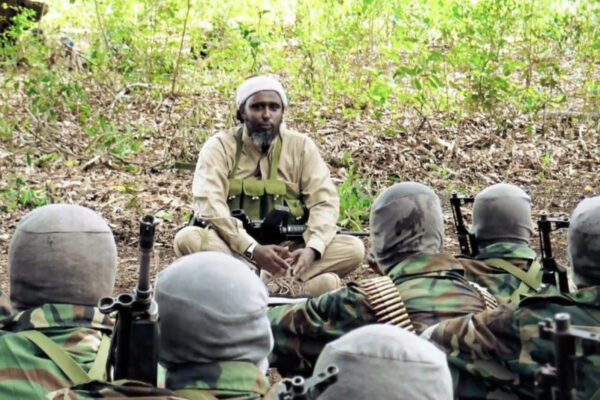
For years the internationally-recognized government of Somalia, based in Mogadishu, has been in a running battle with the Al-Shabab insurgency, but recent advances by the Somali Armed Forces, backed by the US military, as well as division within the Islamist movement itself, appears to have put Al-Shabab on the back foot.

Kurt Campbell, White House Coordinator for Indo-Pacific Affairs, has indicated that Washington is keen to see India diversify away from its “reliance” on Russian military supplies, while another State Department official highlighted the potential threat to the subcontinent posed by China.

A pair of nonprofit advocacy groups are suing a Texas company in a bid to stop it from generating so-called “forever chemicals” while manufacturing plastic containers. These are the same chemicals which have been leaking out of US military bases in Japan, contaminating nearby communities.
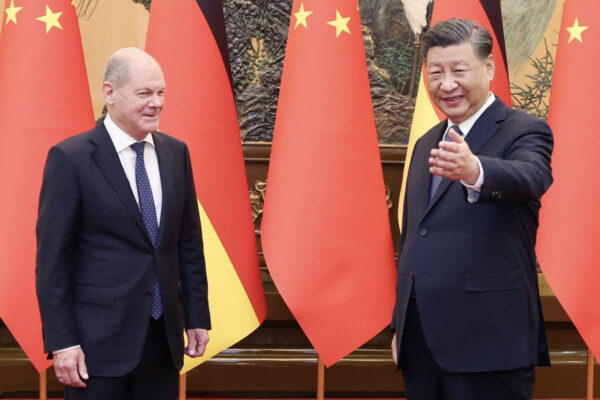
Germany, led by Social Democratic Party (SDP) Chancellor Olaf Scholz, considers China both an essential economic partner and a “systemic rival.” This seemingly contradictory stance has produced political fractures within the coalition government, but it is part of a pragmatic geopolitical strategy.
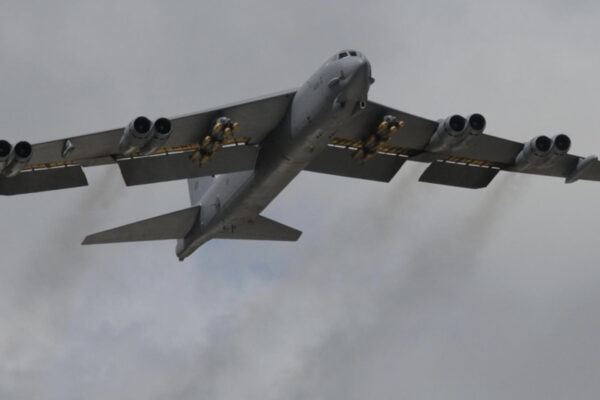
In a move that critics are calling a “dangerous escalation,” the United States is reportedly preparing to deploy up to six nuclear-capable B-52 bombers to northern Australia, where they would be close enough to strike China.
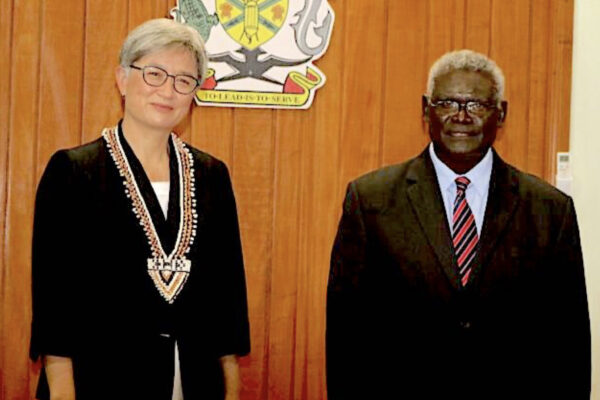
New aid offered by Australia to Pacific island nations is aimed at reducing Beijing’s influence over Pacific island nations, an issue which has emerged as a major concern for US allies in the region.