
Bread & Roses: Foreign Residents Are Not Temporary Outsiders
Why not just go back to your country? This simple exhortation to foreigners experiencing difficulty living in Japan captures the stark social reality for many of them.

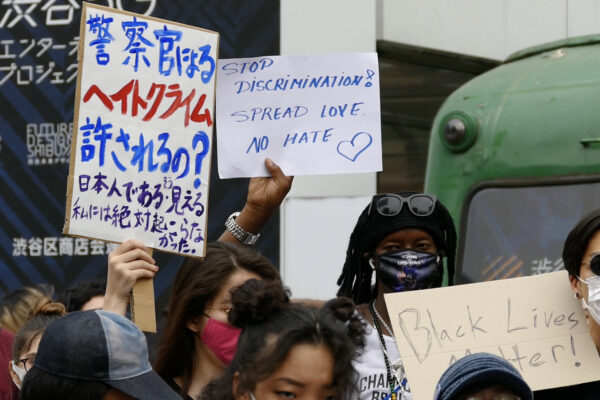
Sparked by the George Floyd murder by police in the United States last month, street protests against official violence towards minorities and disenfranchised peoples have sprung up worldwide.
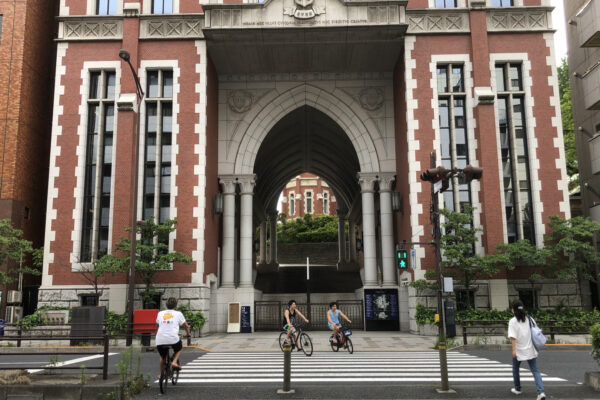
The work shutdown in the wake of the April 7, 2020, emergency declaration hit one group particularly hard: students working part-time gigs.

We shouldn’t wait for the government to deign to divvy out what it thinks foreigners want, as if it’s the omotenashi (hospitality) Japan offers any guest. Instead, NJ residents should be telling the government what they want, on their terms.

Today, we see the eight-hour workday as a social norm, albeit observed more in the breech. But workers shed blood and tears to bequeath this right to us.

Treating outsiders like contagion has consequences: Society develops antibodies, and Japan’s already-normalized discrimination intensifies.

Around Japan, workers still commute each day on packed trains and file into crowded meeting rooms. Some are told to stay home, with or without pay.

There’s an oft-used expression in Japanese: sekinin tenka. Best translated as “passing the buck,” it’s a reflex of dodging blame for one’s own actions by transferring responsibility to others. For too long, Japan has done so on the world stage with impunity—even when it affects the world adversely.

Japan’s labor laws have made several several distinct steps forward since the Meiji Restoration of 1868, with workers gradually gaining a degree of protection from the exploitation of business owners and managers. However, the era of Shinzo Abe has been characterized not only by a failure to progress further, but by a distinct step backwards.

The drama of cruise ship Diamond Princess, currently moored at Yokohama and quarantined by Japan’s Health Ministry due to some of the 3,700 passengers and crew testing positive for the coronavirus, is a human rights crisis.