Visible Minorities: Pandemic Releases Antibodies Toward Non-Japanese
Treating outsiders like contagion has consequences: Society develops antibodies, and Japan’s already-normalized discrimination intensifies.


Treating outsiders like contagion has consequences: Society develops antibodies, and Japan’s already-normalized discrimination intensifies.

There’s an oft-used expression in Japanese: sekinin tenka. Best translated as “passing the buck,” it’s a reflex of dodging blame for one’s own actions by transferring responsibility to others. For too long, Japan has done so on the world stage with impunity—even when it affects the world adversely.

The drama of cruise ship Diamond Princess, currently moored at Yokohama and quarantined by Japan’s Health Ministry due to some of the 3,700 passengers and crew testing positive for the coronavirus, is a human rights crisis.

I have to admit more than a twinge of sympathy for Carlos Ghosn’s Great Escape.
The disturbing implications of yet another Japanese-language designation for foreign residents.

After Halloween, you could be forgiven for thinking Shibuya was set aflame and Hachiko knocked off his plinth. But drop by sometime; everything is still there just fine.

It’s dehumanizing to be denied service somewhere, not for what you did, but for who you are, and to realize that discrimination is real.
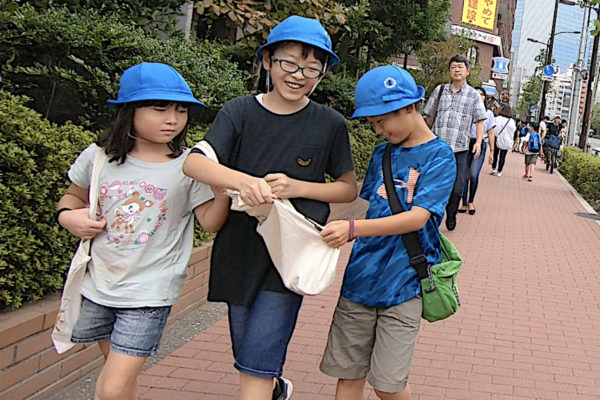
In a shocking series of exposés at the beginning of this month, the Mainichi Shinbun reported that minority children of workers in Japanese schools were being segregated from their Japanese peers, put in classes for the mentally disabled, and systematically denied an education.

I look forward to writing for a Shingetsu News Agency that challenges the stale conventions and speaks truth to power. The point is to increase the visibility of minorities, and to assist Japanese of goodwill in dismantling the systems that keep them disenfranchised.
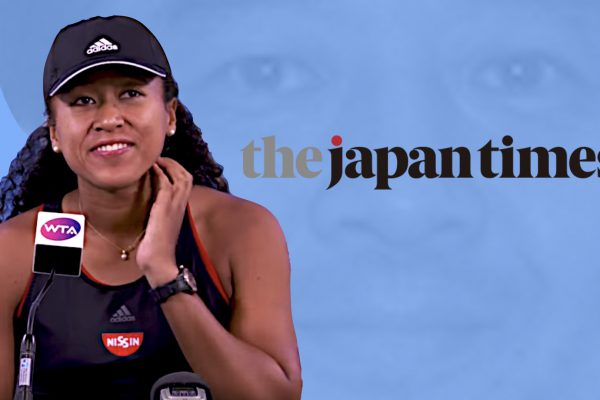
On January 28, the Japan Times published an opinion piece titled, “How Japanese is Naomi Osaka?” Author Kunihiko Miyake “felt something odd” about how the multiethnic tennis champ could ever “represent Japan.” Miyake’s article is indicative of how the quality of analysis has slipped under the Japan Times’ new ownership, and suggests how the purposes of the organization have changed.