How the US-Japan Alliance Operates
Interview with Sayo Saruta, Director of the New Diplomacy Initiative.

Interview with Sayo Saruta, Director of the New Diplomacy Initiative.

Foreign fast food and casual dining companies are ready to take a bite out of Japan’s food market, in spite of the country’s hampering tax hikes and reports about the struggles of major players like McDonald’s. In quick succession at the start of this year, a string of overseas companies, mainly American, announced that they would enter the Japanese market.
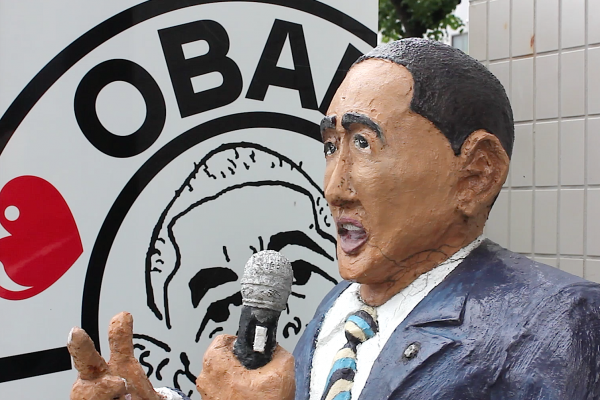
In the year 2011 the Obama administration rolled out a new policy called the “Pivot to Asia,” which was supposed to herald a shifting of the United States’ attention and resources to the Asia-Pacific, deemed to be the most important geography for the emerging 21st century.
Japan Innovation Party leader Kenji Eda couldn’t have framed the events in starker terms when he discussed the issue of the Asian Infrastructure Investment Bank at a press conference last Thursday: “It was a victory for Chinese diplomacy and a complete defeat for Japanese diplomacy,” he declared.

The Nikkei, Japan’s most important stock index, hit a 15-year high last Friday with closing figures above the 19,000 mark. The advance of the stock market, which is largely owed to multinationals operating overseas profiting from Abenomics’ policy of monetary easing, along with a stable increase in demand from the United States, is a welcome success for Prime Minister Shinzo Abe, whose hesitance to implement or clearly define the crucial “third arrow” of his economic policy has been criticized by politicians and economists alike.

The group sometimes called the “Islamic State of Iraq and the Levant” (ISIL) murdered freelance journalist Kenji Goto and his friend Haruna Yukawa. The various messages that ISIL sent through Goto’s voice to the world demonstrate clearly that they are listening to the debates in the world’s media, and we therefore can understand that ISIL murdered Mr. Goto in full knowledge of the humanitarian nature of his work and the fact that he personally bore no enmity toward Muslims or their causes.
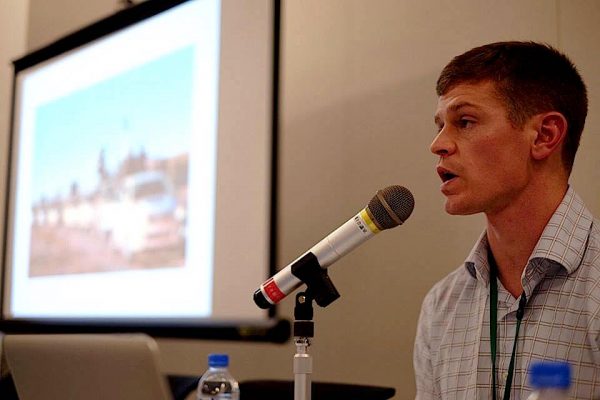
When Ross Caputi was sent to fight in the Second Battle of Fallujah, Iraq, with the US Marines in 2004, he believed unquestioningly in the mission that he was told his unit was fighting for: liberation and justice for the Iraqi people.

On November 16, a new governor was elected in Okinawa, Japan, pledging to take on the governments of both Japan and the United States to stop the construction of a controversial US Marine airbase in his prefecture.

The people of Okinawa vote unmistakably to end the plan to build a new US Marine airbase at Henoko beach with the election of Governor Takeshi Onaga. Signs are few, however, that the governments in Tokyo or Washington are prepared to listen.

Inamine reflects on US military bases, economic development, and the state of democracy in Okinawa.