The Outliers and the Crazies
A new art movement in Tokyo seeks to help Japanese young people find their individuality.

A new art movement in Tokyo seeks to help Japanese young people find their individuality.

The World Health Organization estimates that there will be a shortage of 18 million healthcare workers by 2030. This equates to a 20% gap in the global capacity to provide healthcare services. Japan, which is already grappling with an aging society and its attendant problems, is at the forefront of this crisis.

The mesmerizing sight of the aki-akane, meaning ‘autumn red’ dragonfly, is a traditional symbol of autumn in Japan’s rice farming landscape. However, the species has been rapidly disappearing in recent years and has now nearly vanished over most of Japan. The reason, according to scientists, is the increased use in rice farming of a class of broad-spectrum insecticides that have been the subject of bans in the European Union and China.

The exhibition “Abdul Qader Al Rais: 50 Years of Art” brings together the evolution of the career of this pioneering figure in the Emirati art scene which somehow mirrors the progress experienced by the United Arab Emirates. Abdul Qader Al Rais beautiful, sensitive works are a testament of the cultural traditions of his country.
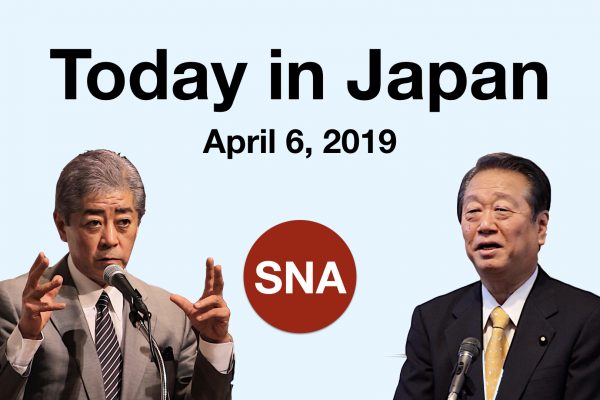
A roundup of the most significant news stories from Japan reported on April 6, 2019.
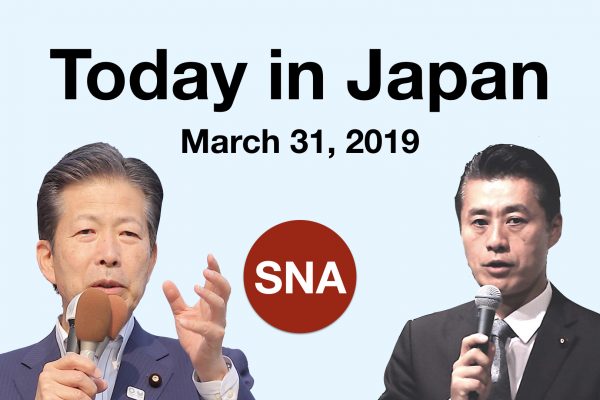
A roundup of the most significant news stories from Japan reported on March 31, 2019.

A roundup of the most significant news stories from Japan reported on February 28, 2019.
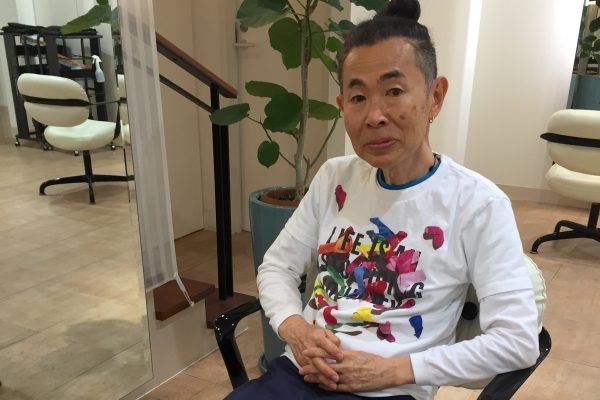
Laidback Kaz Taira is a genius when it comes to finding new opportunities to downsize.
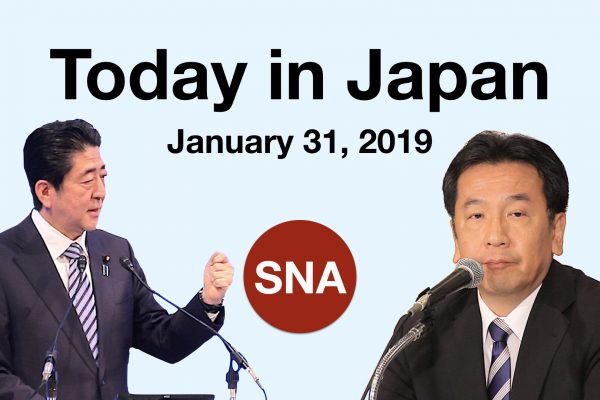
A roundup of the most significant news stories from Japan reported on January 31, 2019.
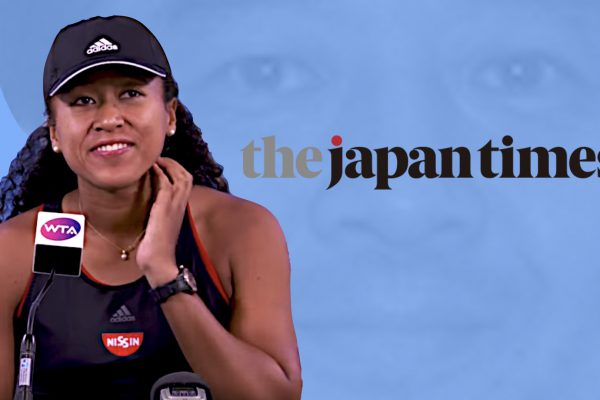
On January 28, the Japan Times published an opinion piece titled, “How Japanese is Naomi Osaka?” Author Kunihiko Miyake “felt something odd” about how the multiethnic tennis champ could ever “represent Japan.” Miyake’s article is indicative of how the quality of analysis has slipped under the Japan Times’ new ownership, and suggests how the purposes of the organization have changed.