Visible Minorities: Departing Japan at Middle Age
As you have probably have heard, SNA President Michael Penn will be moving his operations overseas. He’s leaving Japan. At his age, that’s probably a good idea. I speak from experience.


As you have probably have heard, SNA President Michael Penn will be moving his operations overseas. He’s leaving Japan. At his age, that’s probably a good idea. I speak from experience.
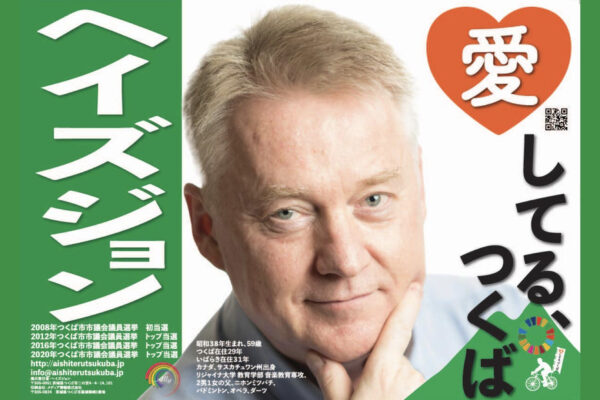
An interview with Jon Heese, a naturalized Canadian-Japanese and elected Tsukuba City Councillor of twelve years. A Caucasian Visible Minority of Japan, Heese has long been advocating that other Non-Japanese Residents naturalize and run for office.

Ivan Parker Hall, author of landmark book Cartels of the Mind: Japan’s Intellectual Closed Shop, died in Berlin on February 1, 2023, at age 90.

The news outlets The Wire (India) and Shingetsu News Agency (Japan) have agreed to partner with one another to mutually strengthen their services. The agreement includes provisions to mutually syndicate one another’s work.

Henry Johnstone Morland Scott-Stokes, patrician among Japan’s foreign correspondents since 1964, recently died in Tokyo at the age of 83, but not before he did untold damage by performing as a foreign handmaid to Japan’s fascists.
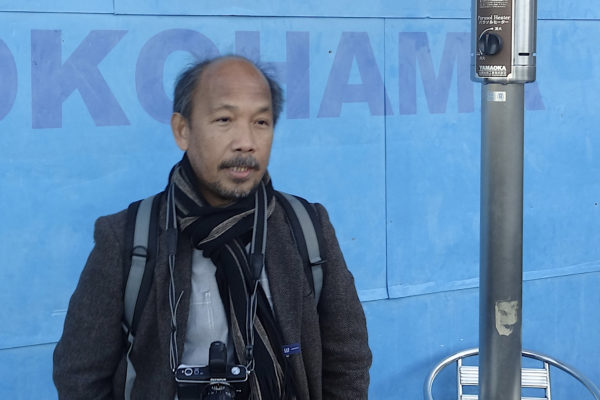
Rey Ventura, author of the groundbreaking 1992 memoir “Underground in Japan,” returns to his old crime scene in Kotobukicho, Yokohama.
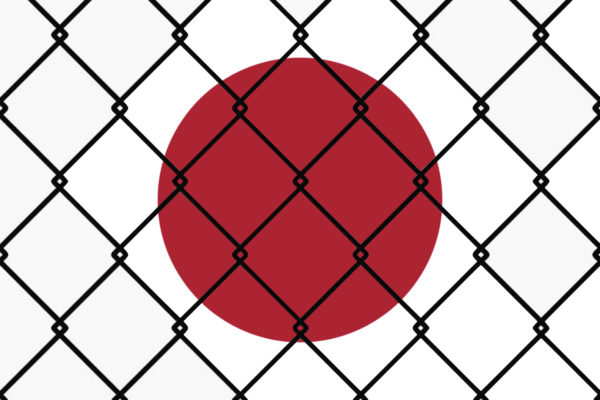
Japan’s decision to exclude most foreigners, including many foreign residents, from entering or reentering the national borders during the Covid pandemic has had a human and reputational cost which the mainstream media has tended to either ignore or to downplay.
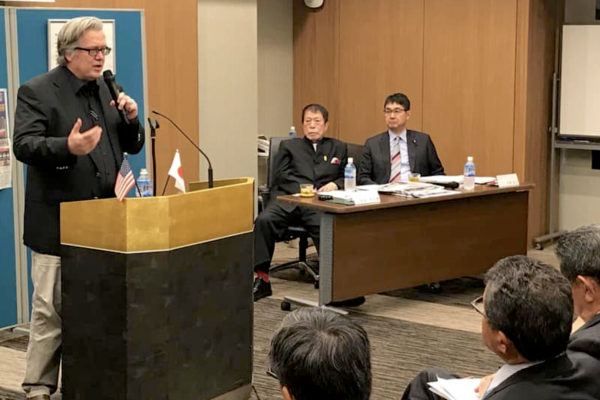
Ahead of Donald Trump’s second visit to Japan in 2019, a Japanese hotelier invited the US president’s former chief strategist and senior advisor Steve Bannon to give a “special lecture” in Tokyo. That hotelier’s name is Toshio Motoya.

Japan has a race problem. As I’ve catalogued for a quarter century, there are “Japanese Only” signs and rules on businesses nationwide. Refusing entry and service to all “foreigners” on sight, they exclude people who don’t “look Japanese.”

Globalization has encouraged a shift in language towards the acceptance of diversity and inclusion, but some terms in the Japanese language are still missing the mark.