Art Against Injustice: The Scream of the Enxet Tribe
The art of Diego Schäfer helps bring government recognition and support to the Enxet tribe of Paraguay.


The art of Diego Schäfer helps bring government recognition and support to the Enxet tribe of Paraguay.
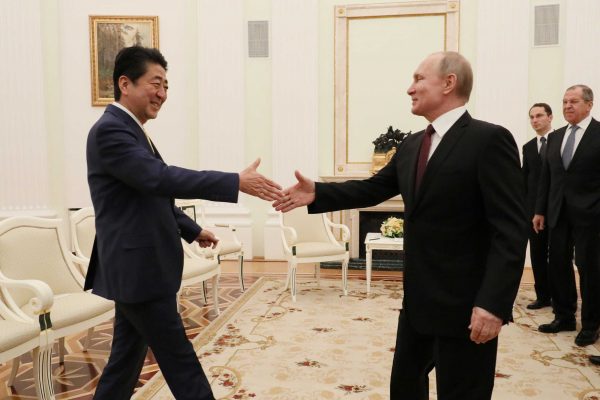
Japan’s Prime Minister Abe has long sought to present himself as a skilled practitioner of international affairs, yet the abject failure of his Russia policy raises questions about his diplomatic competence.
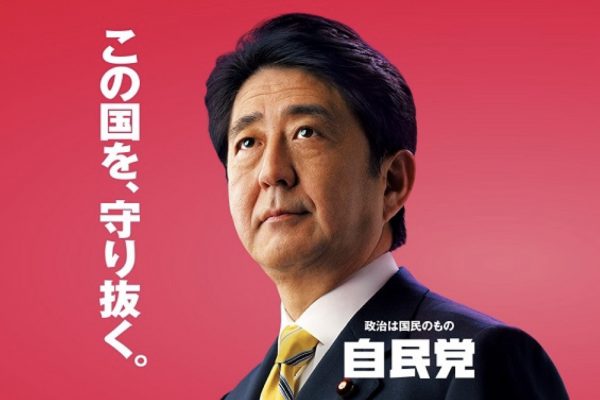
As anticipation builds up for a second summit between US President Donald Trump and North Korean leader Kim Jong-Un, now expected to take place in late February, another closely interested figure is sitting out cold on the sidelines—Shinzo Abe.

Commandant of the Marine Corps General Robert Neller upset many Okinawans last year when he falsified the history of the contentious Marine Corps Air Station Futenma in Ginowan, Okinawa.

On December 20, Japanese patrol planes had a tense encounter with South Korean warships. Tokyo claimed that the warships locked their fire control radar on the planes.
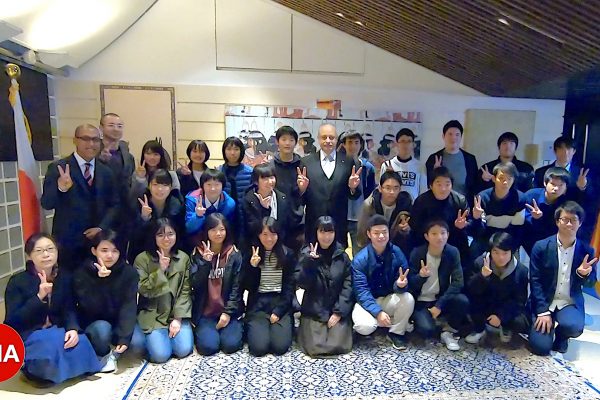
Something strange is afoot at the Embassy of Egypt in Tokyo. Ambassador Ayman Kamel addresses young people from western Japan.

Due to agreements made between Japan and the United States at the end of World War II, the US military controls the majority of the airspace over Tokyo.

Last week, the Japan International Aerospace Exhibition was held in Tokyo. Several companies from around the world came to display their latest innovations, including new technologies for aircraft and space flight. Most prominent were the military weapons and aircraft displays, including a real Lockheed-Martin F-35 Lightning II.
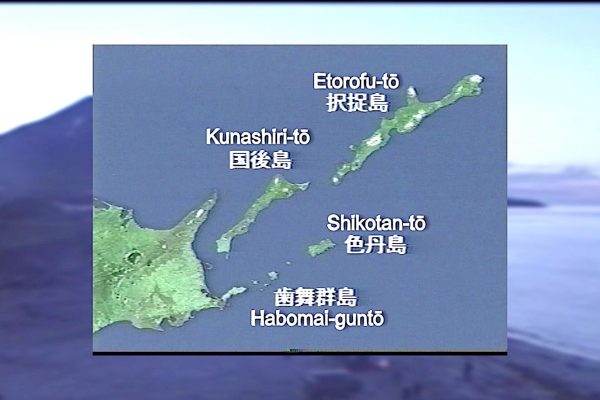
At the end of World War II, Russia seized four of the Kuril Islands north of Hokkaido. Russia expelled the Islands’ Japanese residents, and they are still disputed. Russia and Japan never reached an agreement, and never signed a treaty ending the war.
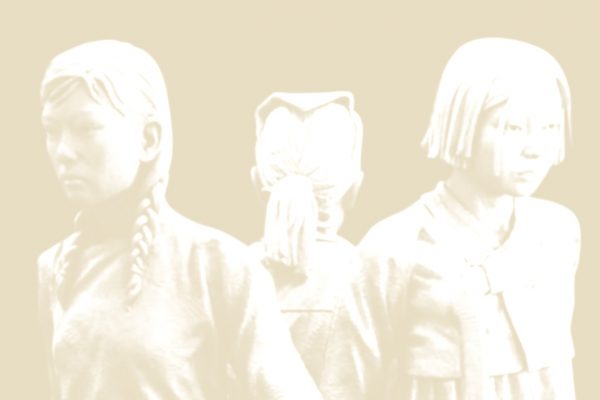
In 1993, Japanese Chief Cabinet Secretary Yohei Kono made the most full-throated admission and apology acknowledging that Japan had coerced women across Asia into being sex slaves—euphemistically referred to as “Comfort Women”—for the Japanese military during the Pacific War. More recently, however, conservative politicians such as Prime Minister Shinzo Abe and Osaka Mayor Hirofumi Yoshimura have engaged in a campaign that is less about carving out a path toward reconciliation than to overwrite memories of an unsavory past.