Visible Minorities: The Bright Side of Japan’s “Culture of No”
Surprise! Debito Arudou admires something about Japan! It’s time for a little “gaman” during the pandemic era.


Surprise! Debito Arudou admires something about Japan! It’s time for a little “gaman” during the pandemic era.

Japanese courts have been forced to grapple with the tricky question of whether or not acting is a category of work that requires legal labor protections.
Japan’s human rights reports to the United Nations are a case study in official dishonesty.

We were told that the 1985 Equal Employment Opportunity Act marked the “dawn of a new age” for female workers in Japan. No more could employers blithely set up special marry-and-leave retirement systems for their female employees, a practice that had previously been considered perfectly legal.

The Tokyo 2020 Olympics are now past. This is a postmortem.
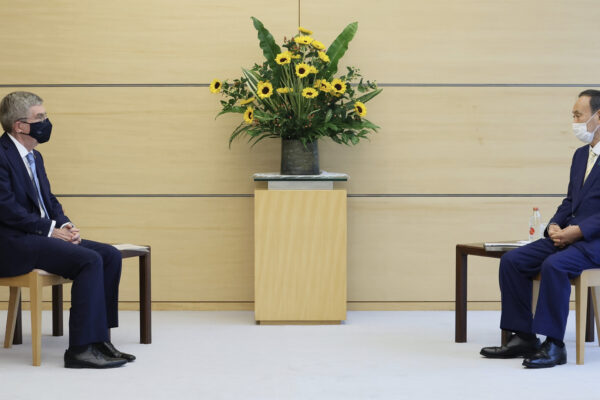
On the eve of the Tokyo Olympics, let’s talk about the mess, both its impact on our minorities and the International Olympic Committee’s responsibility for scamming Japan.
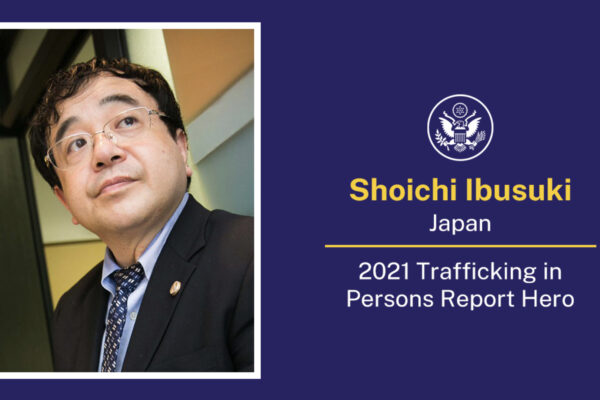
On July 1, the US State Department cited Attorney Shoichi Ibuski as one of seven heroes in its 2021 Trafficking in Persons (TIP) report for his long years of work fighting for the rights of foreign workers caught up in Japan’s technical intern program.

Violations of the privacy rights of Japan’s foreign residents are routine, and the new Gaijin Card reader app could make things much worse.
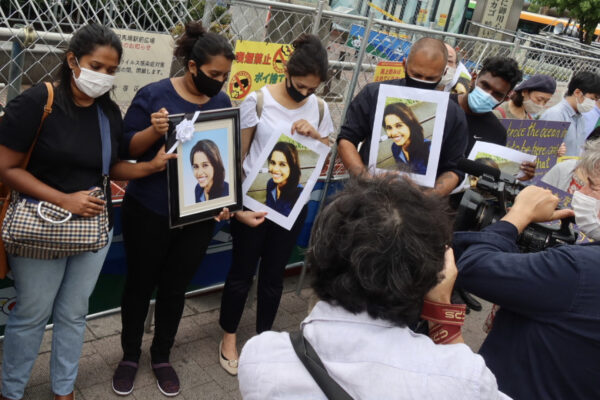
During a May 30 demonstration in front of central Tokyo’s JR Takadanobaba Station, my labor union, Tozen Union, called upon the Japanese government to overhaul its immigration system and to protect the human rights of foreigners.
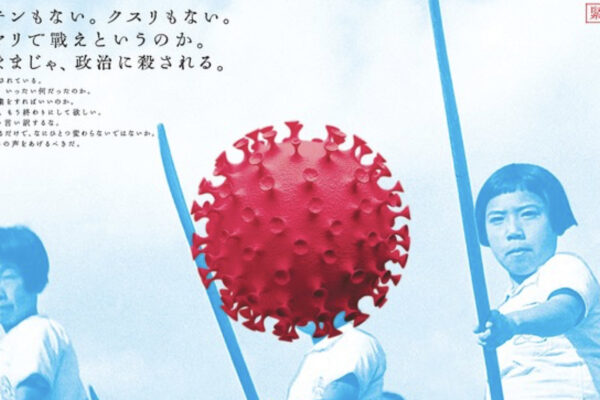
The government’s new Covid self-quarantine policies are providing yet another opportunity to demonstrate that the lives, livelihoods, and investments of foreigners don’t really count in Japan.