China Hits Taiwan With New Import Bans
China announced a series of new import bans on Taiwanese products late last week, primarily seafood and beverages, in what appears to be the mainland’s latest effort at applying economic pressure.

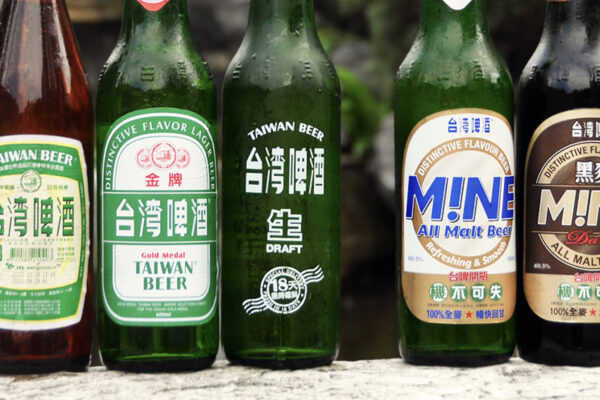
China announced a series of new import bans on Taiwanese products late last week, primarily seafood and beverages, in what appears to be the mainland’s latest effort at applying economic pressure.

Cleanup and assessment efforts are continuing after a Canadian fossil fuel company’s pipeline spilled a large volume of crude tar sands oil into a northern Kansas creek which feeds a watershed providing drinking water for hundreds of thousands of people.
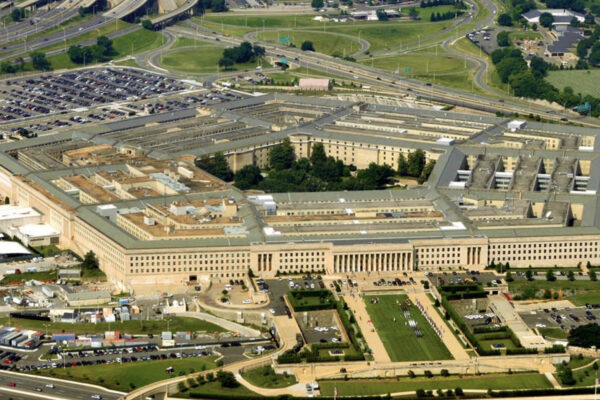
The US House of Representatives passed a mammoth US$858 billion military spending bill, putting the US budget for weapons and war-making higher than the next nine countries combined. Also attached to the bill was unprecedented US taxpayer funding for Taiwan’s military.
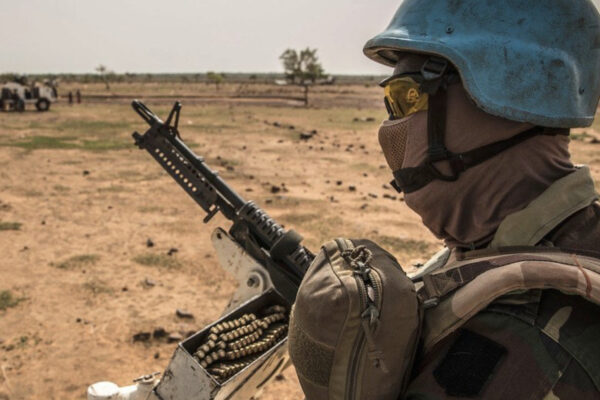
France and the United Kingdom have ceased support for the UN peacekeeping mission in Mali, the deadliest currently in operation. These withdrawals followed a decade of fruitless attempts to end hostilities between the West African nation’s government and its rebel Islamists.
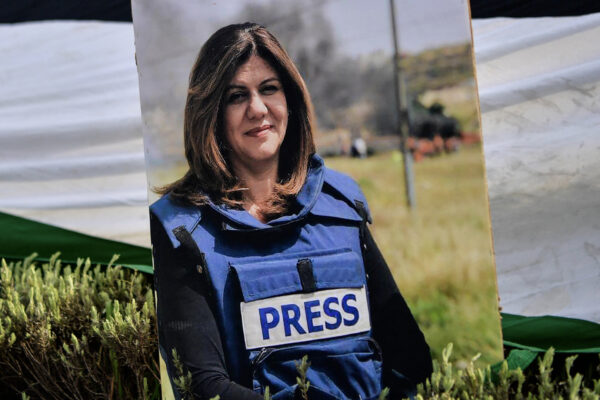
Following an investigation that Al Jazeera claims has uncovered new evidence regarding the fatal shooting of Palestinian-American journalist Shireen Abu Akleh, the international news network announced that it has filed a lawsuit against Israeli military forces at the International Criminal Court.

Lam Wing-Kee, the only one of the Hong Kong Causeway Bay booksellers to remain free, applied for permanent residency in Taiwan last month on the basis of being a professional in arts and culture. While there is a good chance that his application will be accepted, some other Hongkongers are finding greater difficulty.

The Tokyo Labor Relations Commission provided us a bright day in labor history with the first ever ruling extending union rights to those engaged in work via an online platform.
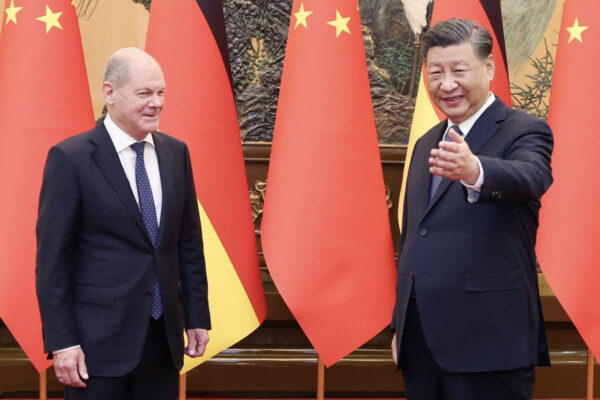
Germany, led by Social Democratic Party (SDP) Chancellor Olaf Scholz, considers China both an essential economic partner and a “systemic rival.” This seemingly contradictory stance has produced political fractures within the coalition government, but it is part of a pragmatic geopolitical strategy.
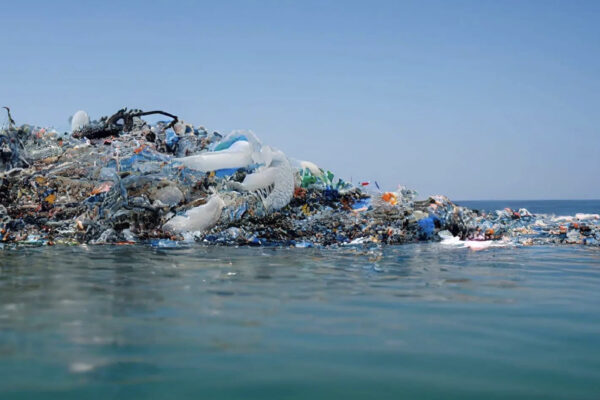
As garbage islands floating in the Pacific Ocean have grown to the area of entire countries, Japan and other nations’ use of plastic fishing nets is believed to not only take a major toll on sea life, but is even threatening the future of the fishing industry itself.